Residential garage door issues are among the most common headaches homeowners face. Because the modern garage door system operates through a complex counterbalance system, multiple moving parts, and an electric garage door opener motor, even minor wear can lead to noticeable performance problems. From a garage door not working properly to a full garage door malfunction, understanding the root cause helps you respond quickly and safely.
In Lewisville, TX, where seasonal temperature swings and daily usage accelerate garage door wear and tear, homeowners benefit from learning how to identify early warning signs. This guide explains the most common garage door problems, how to fix garage door problems safely, and when to call a garage door repair service for professional help.
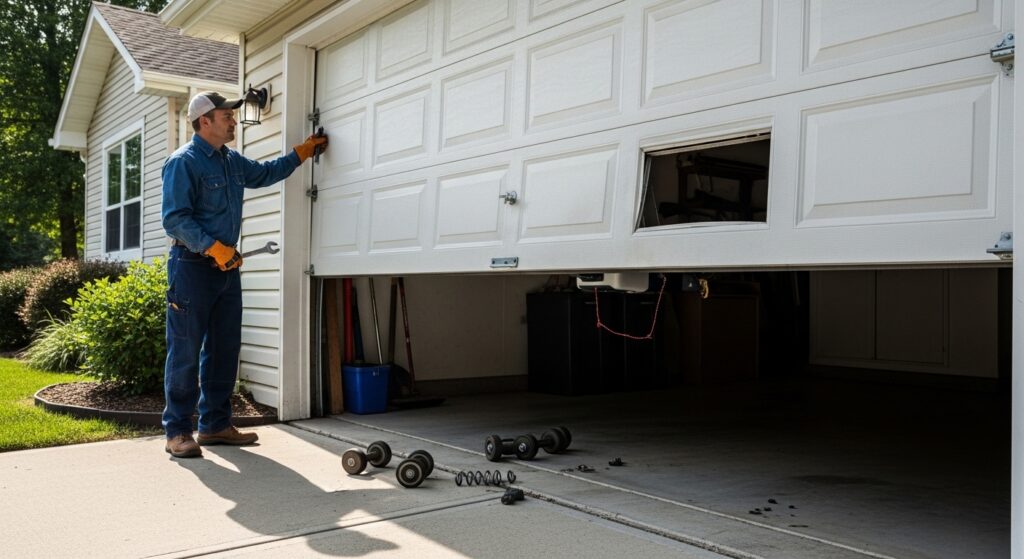
Understanding Residential Garage Door Issues
Most residential garage door issues develop gradually. The typical residential garage system relies on springs, cables, rollers, sensors, and electronic controls working in precise harmony. When one component slips out of proper garage door alignment or loses garage door balance, the entire overhead door system can suffer.
Common garage door performance issues often stem from:
- aging garage door components
- lack of preventative garage door care
- weather-related expansion and contraction
- improper installation or neglected home garage maintenance
Homeowners in Lewisville frequently request residential garage door repair Lewisville services after noticing garage door breakdown symptoms such as loud noises, slow movement, or doors that open unevenly. Recognizing these symptoms early can prevent costly emergency garage door repair calls.
Most Common Garage Door Problems Homeowners Face
Garage Door Won’t Open or Close
One of the most frustrating garage door operation problems occurs when the garage door won’t open or garage door won’t close. This usually indicates issues within the torsion spring system, extension spring system, or the electronic controls.
If your garage door opener problems begin suddenly, first check the garage door sensors and the safety reversal system. Misaligned sensors commonly cause the door to reverse or refuse to close. In other cases, a broken torsion spring or broken extension spring may prevent the door from lifting at all.
When performing garage door troubleshooting, inspect the basics first before assuming major failure.
Garage Door Is Stuck or Off Track
A garage door stuck halfway often signals mechanical resistance within the garage door tracks or worn garage door rollers. Over time, debris buildup or bent tracks create friction that leads to garage door binding or jerking movement.
Signs your door may be off track include uneven movement, grinding sounds, or visible gaps between rollers and tracks. This type of garage door malfunction should be addressed quickly, as continued use can damage garage door panels, garage door hinges, and garage door hardware.
Professional overhead garage door repair is recommended when track damage is visible.
Noisy or Jerky Garage Door Movement
If your garage door making noise becomes louder over time, the issue often relates to lubrication or worn moving parts. A garage door jerking, garage door slow to open, or garage door acting up typically indicates declining garage door efficiency issues.
Common causes include:
- dry garage door rollers
- loose garage door hinges
- worn garage door springs
- lack of garage door lubrication service
Routine garage door tune up service dramatically reduces noise and extends garage door lifespan issues.
How to Fix Residential Garage Door Issues Safely
When learning how to fix residential garage door issues, safety must come first. The torsion spring system stores significant tension, and improper handling can lead to serious injury.
Before attempting repairs, perform these two essential safety steps:
Disconnect the garage door opener motor and secure the door to prevent unexpected movement. Visually inspect the counterbalance system and garage door cables for obvious damage before touching any hardware.
Simple fixes such as sensor cleaning, tightening loose garage door hardware, or lubricating rollers can often resolve minor garage door functionality problems. However, anything involving garage door spring replacement, garage door cable repair, or garage door track repair should be handled by a local garage door technician.
When to Call a Professional Garage Door Repair Service
While some homeowners attempt DIY solutions, many common garage door failures require expert tools and experience. If your garage door heavy to lift, garage door opens halfway, or garage door closes partially, the issue likely involves spring tension or balance.
You should contact a professional garage door service if you notice persistent garage door reliability issues, repeated garage door service call needs, or visible structural damage. Homeowners searching for garage door repair near me in Texas often choose same day garage door repair providers to minimize disruption.
For residents in Denton County, hiring a trusted garage door company Lewisville ensures proper diagnosis and safe repairs.
Cost Overview for Residential Garage Door Repair
Understanding typical pricing helps homeowners budget for residential garage door repair and avoid surprises. Costs vary based on parts, labor, and urgency.
| Repair Type | Typical Issue | Average Garage Door Repair Price | Urgency Level |
| Garage Door Spring Replacement | Broken torsion or extension spring | $150–$350 | High |
| Garage Door Opener Repair | Motor or remote failure | $125–$300 | Medium |
| Garage Door Track Repair | Door off track or binding | $150–$400 | High |
| Garage Door Roller Replacement | Noisy or jerky movement | $100–$250 | Low–Medium |
| Emergency Garage Door Repair | Door stuck or unsafe | $200–$500 | Urgent |
Actual garage door repair cost in Lewisville may vary depending on door size and parts availability. Requesting a garage door service estimate from a best garage door repair company ensures accurate pricing.
Preventative Maintenance to Avoid Future Problems
Proactive garage door preventive maintenance is the most effective way to reduce unexpected failures. Regular service keeps the garage door balance correct and extends the life of the entire residential garage system.
Homeowners should schedule a yearly garage door safety inspection and perform routine home garage maintenance tasks. A proper garage door maintenance checklist includes lubrication, sensor testing, and visual inspection of cables and springs.
In Lewisville’s climate, seasonal garage door annual maintenance is especially important because heat and humidity accelerate garage door wear and tear. Investing in routine garage door inspection service is far more affordable than emergency repairs later.
Choosing the Right Garage Door Repair Company in Lewisville TX
When your garage door not working properly, selecting a qualified provider matters. Look for licensed technicians, transparent garage door repair pricing, and strong local reviews. A reputable company offering affordable garage door repair near me services will provide clear diagnostics and warranty-backed work.
Homeowners should prioritize companies that offer emergency garage door repair Lewisville, fully stocked service trucks, and experience with both the torsion spring system and extension spring system. The right garage door repair Lewisville TX provider will also perform a full garage door balance check and safety evaluation during every visit.
Final Thoughts
Residential garage door issues rarely appear without warning. By paying attention to early garage door operation problems, performing routine preventative garage door care, and scheduling professional inspections, homeowners can avoid most major failures. Whether you’re dealing with a garage door stuck, unusual noises, or full garage door malfunction, acting quickly protects both your home and your budget.
For homeowners in Lewisville, TX, partnering with a trusted professional garage door service ensures your system remains safe, balanced, and reliable year-round.
FAQ: Residential Garage Door Issues
What are the most common residential garage door issues?
The most frequent residential garage door issues include broken springs, misaligned garage door sensors, worn rollers, damaged garage door cables, and opener failures. These problems often begin as minor garage door performance issues but worsen without timely maintenance. Regular inspections help catch these early warning signs.
Why is my garage door not working suddenly?
If your garage door not working unexpectedly, the cause may be a power interruption, sensor misalignment, or a failed garage door opener motor. In many cases, homeowners discover a broken spring within the counterbalance system. Performing basic garage door opener troubleshooting can identify whether the issue is electrical or mechanical.
How do I know if I need residential garage door repair?
You likely need residential garage door repair if you notice loud noises, uneven movement, slow response, or the door becoming heavy to lift. Visible garage door breakdown symptoms such as frayed cables or bent tracks also indicate professional service is required. Prompt repairs prevent more expensive damage later.
Is emergency garage door repair really necessary?
Yes. Emergency garage door repair is essential when the door is stuck open, off track, or unsafe to operate. Ignoring urgent garage door safety concerns can lead to property damage or injury. Many Lewisville homeowners rely on same day garage door repair services to restore safe operation quickly.
How often should I schedule garage door maintenance?
Experts recommend annual garage door tune up service and periodic lubrication every few months. Regular garage door preventive maintenance keeps the overhead door system running smoothly and reduces long-term garage door maintenance cost. Homes with heavy daily use may benefit from biannual inspections.