If you’ve been wondering Do I need an Insulated Garage Door, you’re asking the right question at the right time. Modern homeowners are increasingly focused on comfort, energy savings, and long-term home value. An insulated garage door is no longer just a premium upgrade — in many homes, it’s a practical necessity.
However, not every property requires the same level of garage door insulation. Your climate, garage usage, and home layout all play important roles. In this comprehensive guide, we’ll break down the real insulated garage door benefits, potential drawbacks, costs, and how to decide what’s best for your Lewisville, TX home.
What Is an Insulated Garage Door?
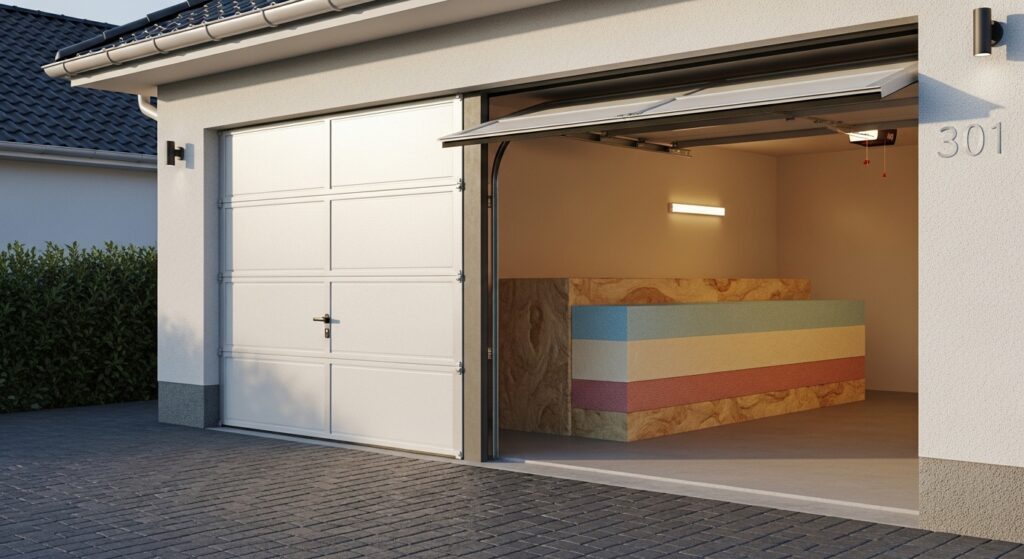
An insulated garage door is built with multiple layers and specialized garage door core material designed to reduce heat transfer and improve thermal efficiency. Unlike single-layer doors, insulated models typically use either polystyrene insulation or polyurethane insulation sandwiched between steel panels.
This sandwich garage door construction creates a strong thermal barrier that improves temperature regulation inside the garage. Many homeowners choose an insulated steel garage door because it combines durability with energy performance.
The effectiveness of insulation is measured by the R-value rating, which indicates resistance to heat flow. Higher R-values generally mean better energy loss prevention and improved garage interior temperature stability.
Insulated vs Non-Insulated Garage Door: Key Differences
Understanding the difference between an insulated vs non insulated garage door is critical before making an investment.
| Feature | Insulated Garage Door | Non-Insulated Garage Door |
| Energy efficiency | High thermal efficiency | Minimal insulation |
| Noise level | Better quiet garage door operation | Louder operation |
| Durability | Strong durable garage door panels | Thinner construction |
| Temperature control | Excellent garage temperature management | Poor regulation |
| Cost | Higher upfront insulated garage door cost | Lower initial price |
| Best use case | Attached garages & climate control | Detached or low-use garages |
For many homeowners in North Texas, the decision comes down to how the garage connects to the home and how often the space is used.
Major Insulated Garage Door Benefits
The popularity of residential garage door insulation continues to grow for good reason. When properly installed, an insulated system provides measurable performance improvements.
- Improved energy savings garage door performance through reduced heat gain and loss
- Enhanced insulated garage door noise reduction for quieter daily operation
Beyond these key advantages, insulation also strengthens the door structure. The multi-layer door panel construction resists dents better than single-layer models, which improves the overall insulated garage door lifespan.
Many Lewisville homeowners also notice improved garage comfort level, especially when the garage shares a wall with living spaces.
Is Garage Door Insulation Necessary in Texas?
A common question is: is garage door insulation necessary in Texas? The answer depends on how your garage interacts with the rest of your home. In hot climates like Lewisville, garage door insulation for hot climates helps reduce extreme temperature swings.
While insulation does not actively cool the garage, it slows heat transfer and improves overall climate control. Insulation is especially valuable if you have an insulated garage door for attached garage setups, if the garage contains HVAC equipment or living space above, or if you use the garage as a workshop, gym, or storage area. For a fully detached structure, the benefits may be more modest, though garage door thermal protection still improves comfort.
How Much Difference Does an Insulated Garage Door Make?
Homeowners often ask, how much difference does insulated garage door make in real-world conditions. The impact can be significant, particularly when combined with proper garage door weatherstripping and weather sealing.
An insulated system improves attached garage heat flow management and reduces temperature spikes. While results vary by home, many properties experience noticeable improvements in both comfort and garage door system efficiency.
Keep in mind that insulation works best as part of a complete home energy efficiency upgrade, not as a standalone fix.
Insulated Garage Door for Attached vs Detached Garage
Choosing the right door depends heavily on garage placement.
An insulated garage door for attached garage is strongly recommended because it protects indoor living spaces from temperature extremes and noise. It also supports better garage door performance improvement over time.
For an insulated garage door for detached garage, the decision is more situational. If the space is rarely used, a basic door may suffice. However, if the garage stores sensitive items or serves as a workspace, insulation can still deliver strong garage temperature management benefits.
Understanding Insulation Types and Materials
Not all insulation performs equally. The two most common options are polystyrene insulation and polyurethane insulation.
Polystyrene panels are more affordable and commonly found in mid-range doors. Polyurethane, on the other hand, expands to fill gaps, creating superior insulation thickness and higher R-value rating performance.
Premium doors often feature steel back garage door designs with full foam cores, delivering maximum garage door thermal protection and structural strength.
Garage Door Insulation Cost and ROI
The garage door insulation ROI depends on energy savings, comfort improvements, and property value gains. While the insulated garage door cost is higher upfront, many homeowners recover value through improved efficiency and durability.
In Lewisville, TX, pricing varies based on size, material, and whether you choose single layer vs double layer garage door or a triple layer insulated garage door.
Professional garage door insulation installation ensures proper sealing and performance. Homeowners searching insulated garage door near me should compare both product quality and installer experience.
When Should You Insulate a Garage Door?
If you’re still asking when should you insulate a garage door, consider your usage patterns.
Insulation makes the biggest impact when the garage is frequently opened, used as living space overflow, or connected directly to the home. It also helps if you’re planning a garage door insulation upgrade as part of a broader residential energy improvement project.
In many cases, upgrading during garage door replacement Lewisville TX is the most cost-effective approach.
Professional Installation vs DIY Kits
Some homeowners consider a garage door insulation kit, but results vary widely. DIY garage door foam insulation products can help slightly, but they rarely match the performance of factory-built insulated garage door panels.
Professional garage door insulation service ensures proper fit, correct weather resistant garage door sealing, and optimal long-term durability. If your current door is aging or damaged, full garage door installation Lewisville TX may provide better value than retrofitting.
Maintenance and Long-Term Performance
An insulated door requires minimal upkeep, but periodic garage door insulation maintenance helps preserve performance. Check seals, monitor panel condition, and ensure the opener can handle the slightly increased insulated garage door weight.
Modern systems, including smart insulated garage door models, are designed to operate efficiently with today’s openers and safety features.
Final Thoughts
So, Do I need an Insulated Garage Door? For many Lewisville homeowners, the answer is yes — especially when comfort, energy efficiency, and durability matter. While not every garage requires insulation, the benefits often outweigh the costs for attached garages and frequently used spaces.
By understanding your home’s layout, climate demands, and long-term goals, you can confidently choose the best insulated garage door solution that delivers real performance and lasting value.
FAQs
Do I really need an insulated garage door?
You likely do if your garage is attached to the home, used frequently, or located in a hot or cold climate. Insulation improves comfort, durability, and energy efficiency, making it a worthwhile upgrade for many homeowners.
Will insulated garage door reduce energy bills?
Yes, indirectly. While the garage itself is usually not conditioned, insulation reduces heat transfer into adjacent rooms. This improves overall home efficiency and can lower HVAC workload.
What R-value is best for a garage door in Texas?
For most North Texas homes, an R-value between R-10 and R-18 provides strong temperature regulation without excessive cost. Higher values are beneficial for attached garages or climate-sensitive spaces.
Is insulation necessary for a detached garage?
Not always. If the detached garage is rarely used and doesn’t store sensitive items, insulation may offer limited ROI. However, it still improves durability and comfort for workshops or hobby spaces.
What is the best insulated garage door for Texas heat?
The best garage door for Texas heat typically features polyurethane-filled triple-layer construction, strong weather sealing, and a high R-value. Professional evaluation helps match the door to your specific home needs.