
If you’ve ever stepped into your garage during a hot Texas afternoon or a chilly winter morning, you’ve probably wondered: Does garage door insulation work? The short answer is yes — but the real value depends on your garage door type, insulation quality, and installation method. For homeowners in Lewisville, TX, where temperatures can swing dramatically, investing in proper garage door insulation can significantly improve comfort, efficiency, and long term performance.
Many homes still operate with outdated doors that allow major heat transfer, which is why many homeowners eventually consider professional garage door installation to upgrade to modern insulated doors. Because the garage door is often the largest exterior opening, it becomes a major source of garage door heat loss and unwanted heat gain.
Understanding how insulation works helps homeowners make smarter decisions about upgrades, energy savings, and overall garage usability.
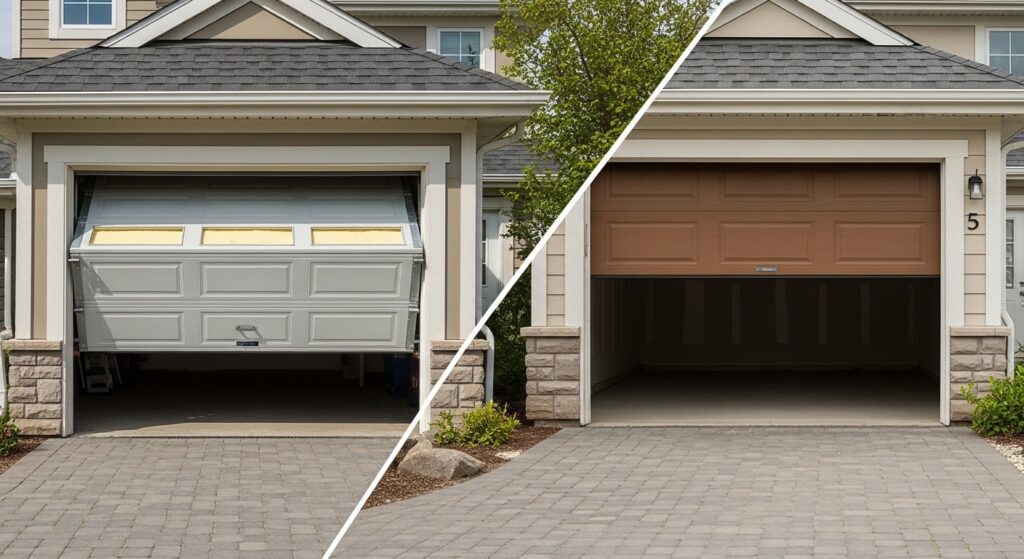
Understanding Garage Door Insulation
Garage door insulation is designed to slow the movement of heat through the door panels. By creating a strong garage door thermal barrier, insulation improves garage door energy efficiency and stabilizes indoor conditions. Modern systems use advanced garage door insulation materials such as polystyrene insulation, polyurethane garage door insulation, and reflective insulation garage door technology. Each option delivers different levels of insulated garage door performance, especially in climates like North Texas where both heat and cold matter.
When insulation is properly installed, it reduces garage door air leakage, improves garage temperature regulation, and enhances overall garage door energy performance. The effectiveness is measured by the R-value garage door rating, which indicates resistance to heat flow. Higher R values generally provide better temperature control and energy savings.
How Garage Door Insulation Actually Works
In some cases, homeowners also discover underlying issues like worn tracks or damaged components that require garage door repair before insulation improvements can be effective. This creates uncomfortable working conditions and forces HVAC systems to work harder. Adding insulation slows thermal transfer and improves garage door comfort improvement while also contributing to garage door noise reduction.
Well-insulated systems support better garage door temperature control, reduce drafts, and help maintain more consistent indoor conditions. Over time, this contributes to noticeable garage energy efficiency improvements and a more usable garage space.
if your garage doubles as a workspace or storage area, proper organization such as garage door storage installation can also help maximize usable space while improving overall garage functionality.
Insulated vs Non-Insulated Garage Doors
Not all doors deliver the same results. Construction layers play a major role in garage insulation effectiveness and long term durability.
| Garage Door Type | Insulation Level | Typical R-Value | Best For | Overall Performance |
| Single-layer garage door | None | R-0 to R-2 | Detached garages | Lowest efficiency |
| Double-layer garage door | Moderate | R-6 to R-9 | Mild climates | Good improvement |
| Triple-layer garage door | High | R-12 to R-18+ | Extreme climates | Best energy savings |
This comparison highlights why many homeowners eventually move toward an insulated steel garage door or add garage door insulation panels to improve efficiency.
Key Benefits of Garage Door Insulation
Homeowners researching the benefits of insulated garage doors often notice improvements in comfort, durability, and energy usage. Proper insulation enhances garage door system efficiency and supports broader smart home energy efficiency goals.
- The most noticeable advantage is improved year round garage comfort and reduced temperature swings.
Beyond comfort, insulation helps strengthen door panels, contributing to garage door durability improvements and quieter daily operation. Many homeowners also appreciate the positive garage door home value impact, especially when planning future resale.
When Garage Door Insulation Works Best
While insulation helps most homes, results are strongest in specific situations. For example, attached garages benefit more than detached structures because they directly affect indoor living spaces. Homes with rooms above the garage also see greater garage insulation ROI.
If your garage doubles as a workspace, gym, or storage area, insulation becomes even more valuable. In Lewisville’s hot summers, garage door insulation for hot climates can dramatically improve usability. During colder months, it supports better garage door insulation effectiveness in winter by slowing heat escape.
Garage Door Insulation Cost in Lewisville, TX
Understanding garage door insulation cost helps homeowners choose between DIY and professional solutions. Pricing varies based on door size, material quality, and labor requirements. Basic DIY garage door insulation kits typically cost less upfront, but professional installation often delivers stronger long term garage door energy savings and reliability.
In Lewisville, TX, homeowners searching for garage door insulation near me often find that professionally installed systems provide better sealing, improved balance, and longer lifespan. While cheap garage door insulation options exist, they may not deliver optimal insulated garage door performance.
Types of Garage Door Insulation Materials
Choosing the right material is critical for maximizing performance. Polystyrene insulation is commonly used in entry level garage door insulation kits and offers moderate thermal resistance. Polyurethane garage door insulation expands to fill gaps, creating a dense barrier with superior R value and structural strength. Reflective insulation garage door systems work especially well for Texas homes by reducing radiant heat gain during peak summer months.
Each material supports better garage door weatherproofing, improved garage door thermal insulation, and enhanced comfort when properly installed.
How to Insulate Garage Door Properly
Homeowners wondering how to insulate garage door systems should focus on both insulation and sealing. Proper panel measurement, tight installation, and quality garage door weather stripping are essential. Without effective sealing, even high quality insulation cannot fully prevent garage door air leakage.
Professional installers also verify door balance, spring tension, and panel weight to maintain safe operation. This attention to detail improves garage door system efficiency and long term reliability.
Summer vs Winter Performance in Texas
Many people assume insulation only helps in cold climates, but garage door insulation effectiveness in summer is often more valuable in North Texas. Insulation slows heat entering the garage, helping maintain cooler indoor conditions. During winter, it reduces heat escaping from the home, supporting better garage climate control solutions year round.
Because of these dual benefits, residential garage door insulation is considered one of the most practical garage comfort upgrades available to homeowners.
Signs You May Need a Full Door Upgrade
Sometimes insulation alone is not enough. If your door shows structural damage, outdated hardware, or severe wear, professional garage door installation may provide better long-term energy efficiency and performance. If your door shows severe wear, excessive gaps, or structural damage, a full garage door home improvement upgrade may be the better investment. Modern multi layer doors deliver stronger garage door thermal performance guide results and improved longevity.
Regular garage door seasonal maintenance helps homeowners identify whether insulation or full replacement will provide the best value.
Final Verdict: Does Garage Door Insulation Work?
So, does garage door insulation work? Yes — when properly selected and professionally installed, it delivers measurable improvements in comfort, noise control, and energy efficiency. For many Lewisville homeowners, insulation is a cost effective way to improve garage usability and support overall home performance.
The biggest benefits occur with attached garages, older single layer doors, and homes exposed to intense Texas heat. When combined with proper sealing and preventive maintenance, insulation provides strong long term garage energy efficiency improvements and better daily comfort.
FAQs
Is garage door insulation worth it in Texas?
Yes. In hot climates like Lewisville, insulation significantly improves garage temperature regulation and reduces heat transfer into the home. Most homeowners notice better comfort and moderate energy savings.
Can you add insulation to an existing garage door?
In many cases, yes. A compatible door can be upgraded using a quality garage door insulation kit. However, very thin or damaged doors may perform better with a full insulated door replacement.
What R-value is best for garage doors?
For Texas homes, an R value between R 9 and R 16 typically provides strong garage door energy performance. Attached garages or climate controlled spaces may benefit from higher ratings.
Does garage door insulation reduce noise?
Yes. Insulation adds density and vibration damping, which improves garage door noise reduction and creates smoother door operation.
How long does garage door insulation last?
Quality insulation can last 15–25 years when paired with proper garage door preventive maintenance and effective weather sealing.
