
The movement of a 200-pound garage door relies entirely on the fluid mechanical synergy between the track and the rollers; however, this relationship is often the first point of mechanical failure in residential systems. When a roller’s internal ball bearings seize or the wheel surface develops flat spots, the resulting friction creates an exponential load on the torsion springs and cables, forcing the entire system to operate under hazardous levels of stress. Continuing to operate a door with degraded rollers is a gamble with your operational safety, as the added resistance can cause the door to bind, jump the tracks, or suffer a catastrophic “cable throw” that leaves your home unsecured.
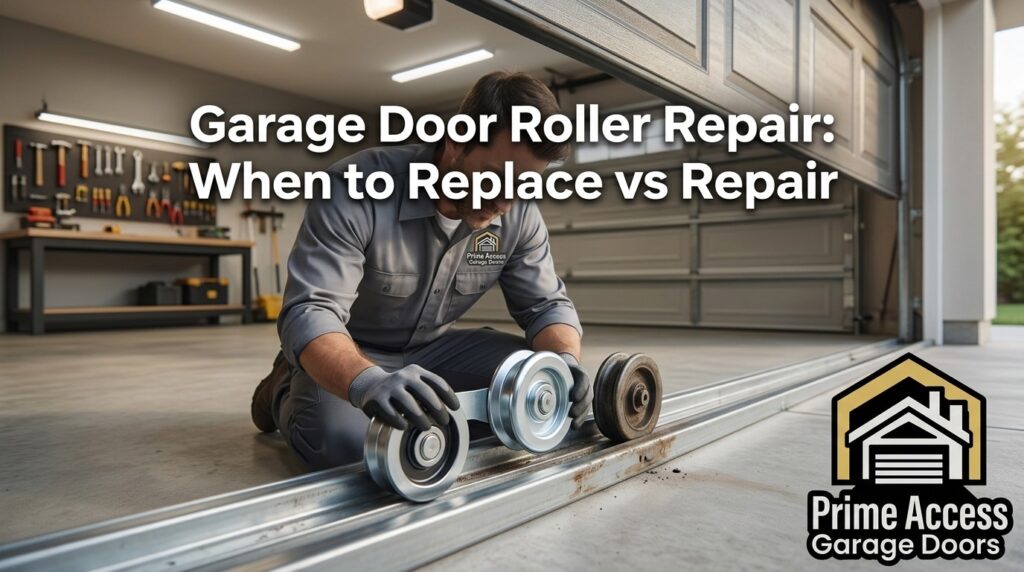
Achieving true hardware optimization requires a shift from reactive repairs to a data-driven replacement strategy based on cycle counts and material science. While surface-level grime can be addressed with specialized lubrication and cleaning, any sign of radial play in the stem or cracking in the tire indicates that the component has reached its “fatigue limit” and requires immediate garage door roller replacement. By proactively upgrading to high-performance rollers, you aren’t just fixing a noise—you are implementing a cost-effective maintenance plan that preserves the structural integrity of your tracks and doubles the expected lifespan of your expensive garage door opener.
What Are Garage Door Rollers and Why Do They Matter?
Garage door rollers serve as the primary interface between the door panels and the track system, functioning as the load-bearing wheels that facilitate both vertical and horizontal travel. These components are the absolute linchpin of friction reduction; when they spin freely, they allow the door’s weight to be managed precisely by the spring tension, ensuring the motor operates within its intended amperage. Beyond mere movement, rollers dictate the stability of the axis rotation as the door rounds the curved radius of the track. Without healthy rollers, the vibration transferred to the hinges and reinforcement struts can cause metal fatigue, eventually leading to warped panels and compromised energy efficiency due to air gaps in the door seal. Finally, high-quality rollers ensure that the operational safety of the door is never compromised by sudden binding or tracking errors during a cycle.
What Signs Indicate You Need Garage Door Roller Replacement?
The most obvious indicator of roller failure is an audible “grinding” or “popping” sound that suggests the internal bearings have lost their integrity. You should also watch for a “jerky” motion during the opening cycle; if the door hesitates or vibrates excessively, it is likely that a roller has developed a flat spot or the stem has bent. Inspect the rollers closely for any visible cracks in the wheels or excessive “play” between the wheel and the stem, as these are clear signals of mechanical failure. If you ignore these signs, the increased resistance will eventually trigger your auto-reverse mechanism, rendering your door unreliable and unsafe.
Excessive Noise and Vibration
When rollers lose their factory lubrication or the ball bearings begin to pit, the friction creates a loud, metallic rattling. This vibration travels through the door sections, loosening hinges and causing the photoelectric sensors to misalign due to the shaking. Replacing worn rollers is the fastest way to restore functionality and quiet a noisy door.
Visible Physical Degradation
Wheels made of lower-grade materials often chip, crack, or flatten under the constant weight of the door. Once the circular shape is compromised, the roller can no longer glide, instead “skipping” along the track and causes metal-on-metal scraping. This physical breakdown is a direct threat to the longevity of your track alignment.
Slow or Labored Movement
If your door seems to be struggling to lift, it may not be a motor issue but rather a “drag” caused by seized rollers. This unnecessary resistance forces the torsion springs to work harder than designed, which can lead to a dangerous broken spring scenario. Timely replacement ensures that the door remains balanced and easy for the system to maneuver.
Nylon vs Steel Garage Door Rollers: Which Is Better?
Steel rollers have long been the industry standard for heavy-duty applications due to their extreme durability and high weight capacity, but they come with the drawback of high noise levels. Because steel-on-steel contact creates significant friction, these rollers require frequent lubrication to prevent rust and screeching, making them a higher-maintenance choice for homeowners..
Nylon rollers represent the gold standard for modern hardware optimization, offering a whisper-quiet performance that steel simply cannot match. These rollers typically feature sealed ball bearings that require zero maintenance, effectively providing a “set it and forget it” solution for busy homeowners. By choosing nylon, you significantly enhance curb appeal through quieter operation while simultaneously protecting your tracks from the abrasive scraping associated with metal wheels.
Comparative Analysis: Roller Performance & Durability
| Feature | Steel Rollers (Standard) | Nylon Rollers (Premium) | Impact on System |
| Noise Level | High (Metal-on-metal) | Ultra-Quiet (Silent Glide) | Affects home environment and vibration. |
| Durability | High, but prone to rust | High, resistant to corrosion | Determines frequency of replacement. |
| Lubrication | Required every 3–6 months | Usually sealed (No maintenance) | Impacts cost-effective maintenance. |
| Bearing Quality | Often unshielded/open | Sealed 11-ball or 13-ball | Controls friction reduction and speed. |
| Track Wear | High (Abrasive) | Very Low (Protective) | Protects track alignment longevity. |
| Best For | Heavy industrial doors | Residential homes/Attached garages | Matches specific operational safety needs. |
| Life Expectancy | 3,000 – 5,000 cycles | 10,000 – 20,000 cycles | Prevents premature failure of the system. |
What Does Garage Door Roller Replacement Cost?
The cost of replacing garage door rollers typically ranges from $100 to $250, depending on the material quality and the labor rates in your local market. While a set of standard steel rollers is inexpensive, investing in premium nylon hardware will slightly increase the initial material cost but provide significantly better long-term value. You must also account for the labor involved in hardware optimization, as a technician will need to unbind the tracks or remove hinges to access the rollers safely. Ignoring this relatively small expense can lead to a catastrophic mechanical failure of the garage door opener, which costs upwards of $600 to replace. Ultimately, professional replacement is a cost-effective maintenance step that prevents the premature aging of your entire lifting assembly.
Can You Replace Garage Door Rollers Yourself?
While many homeowners consider roller replacement a DIY task, it involves significant risks related to the high-tension components of the door system. You can safely replace the rollers in the middle hinges, but the bottom brackets are permanently attached to the cables and torsion springs, which carry enough force to cause severe injury if mishandled. A professional has the specialized tools to maintain track alignment and manage cable tension while the rollers are being swapped out. Without expert knowledge of axis rotation and balance, a DIY attempt often results in a crooked door that puts uneven stress on the torsion tube. For the sake of operational safety, it is always recommended to hire a certified technician who can perform a full system inspection during the service.
What Happens During Professional Roller Replacement Service?
A professional roller replacement begins with a comprehensive safety check of the photoelectric sensors and the auto-reverse mechanism to ensure the system is functional before work starts. The technician then secures the door to relieve cable tension, allowing them to systematically remove the hinges and swap out the old, seized rollers for high-performance units. During this process, they will inspect the reinforcement struts for signs of bending and ensure the drums are winding the cables correctly. After the new rollers are installed, the technician performs a precision track alignment to eliminate any binding or friction. Finally, they apply professional-grade lubrication to the bearings and hinges, ensuring the door achieves the quietest and most smooth operation possible.
Types of Garage Door Rollers and Their Durability
The durability of your garage door system is inextricably linked to the “cycle rating” of the rollers you select during hardware optimization. Choosing a sub-par material for your specific climate or door weight can lead to premature rust or flat spots, forcing the torsion springs to compensate for the added resistance. To ensure long-term operational safety, you must match the roller’s bearing quality with the daily frequency of your door’s usage.
High-performance rollers not only facilitate smooth operation but also act as a buffer that prevents the vibration-induced loosening of hinges and reinforcement struts. Ultimately, the right roller choice is a preemptive strike against mechanical failure and a critical component in maintaining your door’s structural integrity.
Plastic Rollers (Builder Grade)
These are the most basic rollers, often installed by builders to save costs, and they typically lack internal ball bearings entirely. Because they rely on a plastic wheel spinning on a metal stem, they generate high friction and usually fail within 2–3 years of regular use. Their lack of durability often leads to mechanical failure and loud, jerky door movement.
Steel Rollers (Heavy Duty)
Steel rollers with 10-ball bearings are incredibly strong and suitable for heavy wooden or carriage-house doors that require maximum structural integrity. However, because they are unsealed, they are prone to collecting dust and require frequent lubrication to prevent grinding against the tracks. While durable, their metallic noise can be a drawback for homes with bedrooms located above the garage.
Nylon Rollers (Professional Grade)
Nylon is the gold standard for residential doors, featuring a high-density tire and a sealed 13-ball bearing core that prevents debris from entering the mechanism. These rollers are rated for up to 20,000 cycles, effectively preventing premature failure for over a decade of use. They are the best choice for achieving energy efficiency through a tighter, more consistent seal against the weatherstripping.
How to Inspect Your Garage Door Rollers
Routine inspection is the primary defense against mechanical failure, allowing you to catch degraded hardware before it compromises your garage door opener or snaps a cable. You do not need professional tools to perform a visual diagnostic, but you must be methodical in identifying the “red flags” of bearing fatigue and material wear. By dedicating ten minutes twice a year to this process, you ensure the operational safety of your home and preserve the structural integrity of the entire tracking system.
- The Manual Movement Test: Disconnect the opener and lift the door by hand to feel for any “catching” or resistance in the tracks. If the door feels heavy or hitches at specific points, a roller has likely developed a flat spot that is disrupting the smooth operation.
- The Radial Play Check: With the door in the down position, grasp each roller stem and check for excessive “wiggle” or movement within the bracket. Any play greater than a quarter-inch indicates the internal race is blown, necessitating immediate hardware optimization to prevent the roller from popping out.
- Acoustic Diagnostic: Listen for rhythmic ticking, grinding, or high-pitched screeching as the door rounds the torsion tube radius. These localized noises are clear indicators that the internal lubrication has failed and the bearings are now grinding against the casing.
- Visual Bearing Inspection: Use a flashlight to look for “black soot,” metal shavings, or leaking grease around the roller’s bearing hub. These substances are evidence of extreme friction and signify that the component is nearing the end of its functional life.
- Wheel Integrity Audit: Examine the outer tire of each roller for visible cracks, pitting in steel, or dry rot in older plastic models. A compromised wheel surface will eventually shred, leading to a sudden loss of track alignment and potential door damage.
Conclusion
Prioritizing professional garage door roller replacement in TX is a definitive investment in the long-term operational safety and reliability of your home’s entry system. By transitioning from low-grade plastic hardware to high-cycle nylon rollers, you effectively mitigate the risk of mechanical failure while significantly reducing the strain on your torsion springs. This proactive approach not only guarantees smooth operation for years to come but also serves as a critical safeguard for the structural integrity of your garage door tracks.
Ultimately, maintaining high-performance rollers is a cornerstone of cost-effective maintenance that pays dividends in both noise reduction and component longevity. Ensuring that your rollers are free of flat spots and properly lubricated prevents the premature failure of the garage door opener, saving you from expensive emergency repairs. By conducting regular inspections and focusing on hardware optimization, you secure a more quiet, efficient, and durable system that enhances the overall value of your property.
Frequently Asked Questions
How do I know if my garage door rollers are bad?
You can identify failing rollers by listening for rhythmic grinding noises or noticing a “jerky” movement as the door transitions along the tracks. Physical signs like cracked wheels, flat spots, or excessive “play” in the stem are definitive indicators of mechanical failure.
Can I replace just one garage door roller?
While technically possible, replacing just one roller is inefficient because the remaining aged rollers will continue to place uneven stress on the torsion springs. For optimal hardware optimization and balanced operation, it is best to replace the entire set simultaneously.
What size garage door rollers do I need?
Most residential systems use a standard 2-inch roller, though the actual wheel diameter is typically $1 \frac{7}{8}$ inches to allow for clearance in the track. You should also measure the stem length, as some custom or heavy-duty doors require longer stems for proper structural integrity.
Are nylon garage door rollers worth the extra cost?
Yes, nylon rollers are a superior investment because their sealed ball bearings offer whisper-quiet performance and a significantly higher cycle rating than steel. They effectively prevent premature failure and reduce the maintenance burden, making them the most cost-effective maintenance choice over time.
How long does garage door roller replacement take?
A professional technician can typically complete a full residential roller replacement in about 30 to 60 minutes. This timeframe includes the necessary safety checks of the photoelectric sensors and precision track alignment to ensure everything is synchronized.
Will new rollers make my garage door quieter?
Upgrading to new rollers, especially nylon ones, will drastically reduce the metallic rattling and vibration associated with aged hardware. This dampening effect also protects the hinges and reinforcement struts from the constant shaking that leads to structural noise.
Should I lubricate new garage door rollers?
If you install rollers with sealed bearings, the internal mechanism requires no additional lubrication and is designed to stay debris-free. However, if you use standard steel rollers, applying a silicone-based spray to the exposed bearings is essential to maintain smooth operation and prevent rust.
