
Most homeowners ignore their garage door until the heavy steel slab refuses to budge, leaving their vehicle trapped and their schedule ruined. A professional garage door repair is a systematic process of managing high-tension components like torsion springs and ensuring the structural integrity of the entire opening mechanism. Understanding this step-by-step workflow is the only way to differentiate between a simple hardware adjustment and a high-risk mechanical failure.
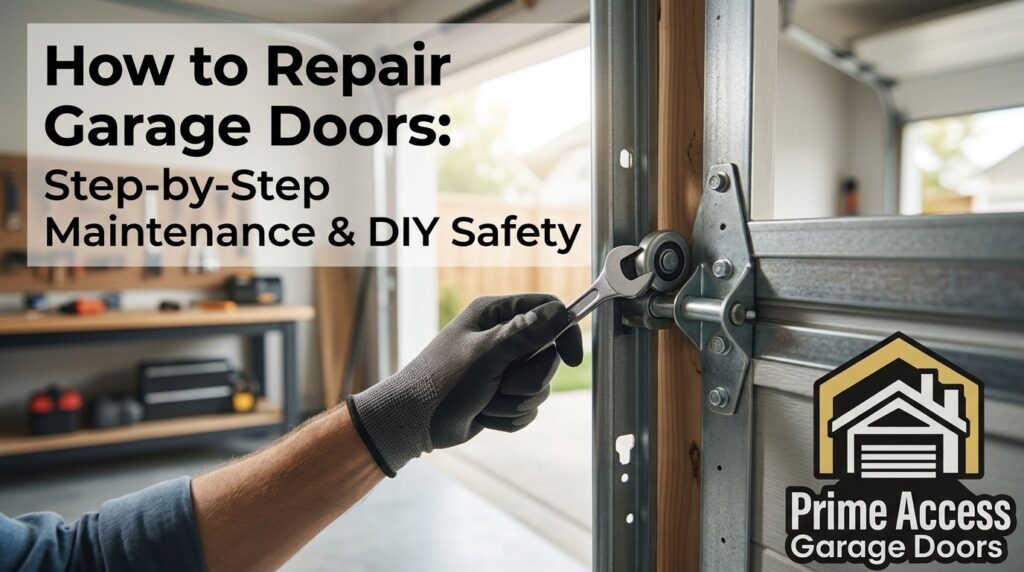
The process begins with a comprehensive safety inspection of the metal tracks and mounting brackets to identify the root cause of the malfunction. Technicians look for specific indicators of wear, such as crimps, dents, or flat spots on the rollers that disrupt the door’s travel path. By following a rigid diagnostic protocol, a repair specialist can restore the tracks alignment and tension balance, preventing a minor glitch from escalating into a total system collapse.
What is the most common garage door repair?
The most frequent repair in the industry is the replacement of broken torsion springs, which are responsible for the heavy lifting of roll-up doors. These springs have a limited cycle life and eventually succumb to metal fatigue, often snapping with a loud bang that leaves the door effectively dead weight. Because the center torsion spring operates under great pressure, this repair is not a casual DIY project and requires specialized winding bars and technical expertise. Beyond springs, technicians often spend their time servicing hinges and tightening loose equipment like fasteners that vibrate loose over hundreds of operations. Addressing these common failures early is the only way to avoid the massive expense of a full garage door replacement.
Understanding Garage Door Openers
The garage door opener acts as the brain of the system, regulating the force and travel of the door along the garage rails. While the springs provide the “muscle,” the opener uses a torsion tube or a chain-and-belt drive to move the pivots and sections of the door smoothly. Modern units are integrated with safety sensors and logic boards that can detect sagging or resistance, immediately reversing the door to prevent injury. If your opener is humming but not moving, the issue often lies in the internal gear kit or a disconnected carriage. Proper maintenance involves ensuring the horizontal incline of the tracks is correct so the opener doesn’t have to fight gravity to keep the door closed.
Identifying Opener Logic Failures
When the door starts and stops or reverses for no apparent reason, the problem is usually rooted in the electronic logic board or misaligned sensors. You must verify that the photo-eye sensors are precisely plumb and free of debris to maintain a steady signal across the threshold. If the wiring at the mounting plates is frayed or the board is burnt, the opener will fail to communicate with your remote. Replacing these sensitive components requires a delicate touch and a clear understanding of the unit’s specific wiring diagram.
Mechanical Wear in the Drive System
The drive system, whether chain, belt, or screw, is subject to constant friction and eventually requires hardware optimization to stay functional. Over time, the drive sprocket can wear down, or the trolley carriage can crack, leading to a loud grinding noise during operation. You should inspect the rollers and pivots for greasy tracks that attract dirt, as this buildup puts unnecessary strain on the opener’s motor. A well-lubricated system reduces the force required for operation and significantly extends the lifespan of the entire overhead assembly.
DIY Garage Door Opener Repair
Attempting to repair a garage door opener yourself is possible for minor electrical or sensor issues, but you must prioritize operational safety at all times. Start by checking the power source and the fasteners on the mounting brackets to ensure the unit hasn’t vibrated out of alignment. If the door is moving unevenly, you might need to pound out small dents in the metal tracks using a rubber hammer and a scrap wood block. However, if the repair involves the center torsion spring or the internal motor windings, you must step back and call a professional. Never attempt to adjust the spring tension yourself, as the great pressure involved can cause catastrophic injury or property damage.
Preventive Maintenance for Garage Door Repair
Preventive maintenance is the most effective way to protect the structural integrity of your home’s entry system while avoiding the high costs of emergency garage door replacement. You should begin by inspecting the metal tracks for any visible crimps or dents that could cause the rollers to jump out of the garage rails. It is essential to use a concentrated cleaner to remove old grease and dirt, ensuring the tracks are precisely plumb for smooth operation. Tightening all loose equipment, such as fasteners and mounting brackets, prevents the vibration from causing mechanical misalignment over time. Finally, a routine safety check of the torsion springs ensures they are not under great pressure or showing signs of fatigue that could lead to a dangerous snap.
Garage Door Repair Process: Step-by-Step Guide
Restoring a malfunctioning door to its original condition requires a disciplined approach to ensure both precision and safety. The repair process involves a systematic evaluation of all moving parts, from the mounting plates to the smallest fasteners holding the sections together. Most repairs focus on restoring the tracks’ alignment and replacing worn components like pivots or frayed cables before they snap. A successful repair doesn’t just fix the immediate noise or sticking; it recalibrates the entire overhead garage door system for long-term reliability. Following a structured guide ensures that no critical safety steps are skipped and that the door operates with a smooth, horizontal incline.
Step 1: Safety First
Before you touch any part of the door, you must wear protective gear and clear the area of bystanders or vehicles. Garage doors are heavy, and the center torsion spring is under great pressure, making it a potential hazard if handled incorrectly. Always inform everyone in the house that the door is being serviced so no one tries to operate it remotely. Ensuring your environment is controlled is the most vital part of maintaining structural integrity during the repair.
Step 2: Identify the Problem
Begin your diagnosis by operating the door manually to feel for resistance, sagging, or jerky movement along the garage rails. Closely inspect the metal tracks for crimps, dents, or flat spots that could be obstructing the rollers. Listen for grinding noises that might indicate greasy tracks or a failing motor within the opener assembly. Identifying whether the issue is a broken spring or a simple track misalignment will determine your entire repair strategy.
Step 3: Gather the Necessary Tools and Supplies
A professional-grade repair requires a specific toolkit, including a rubber hammer, a mallet, and a level for checking the horizontal incline. You will also need a concentrated cleaner for the tracks and wood filler if you are repairing split timber near the pivots. Having all your fasteners and replacement mounting brackets ready prevents unnecessary delays once the door is disassembled. Using the right tools for the job ensures you don’t strip the screws or damage the door’s finish.
Step 4: Disconnect the Power
For any repair involving the opener or electrical components, you must unplug the motor from the ceiling outlet. This step prevents the door from being accidentally activated, which could lead to severe injury if your fingers are near the pivots or tracks. If the opener is hardwired, switch off the corresponding breaker in your home’s electrical panel to ensure total safety. Working on a live system is a major breach of operational safety and should never be attempted.
Step 5: Release the Tension on the Springs
This is the most dangerous stage of the process because the torsion springs hold an immense amount of energy. You must use specialized winding bars to slowly and carefully release the tension until the spring is completely slack. Never attempt this with a screwdriver or pliers, as the great pressure can cause the tool to kick back with lethal force. If you are not 100% confident in handling torsion spring tension, you must stop and call a professional repair service.
Step 6: Remove the Damaged Parts
Once the tension is neutralized, you can safely remove the broken rollers, bent mounting plates, or cracked pivots. Carefully unscrew the fasteners while supporting the door sections to prevent them from shifting or falling out of the metal tracks. If you are dealing with a sagging section, you may need to remove the entire panel to inspect the internal reinforcement. Keep all small parts organized so you can easily identify where the new hardware needs to be installed.
Step 7: Install the Replacement Parts
Install your new high-quality components, ensuring that every fastener is tightened to the manufacturer’s specific torque requirements. If you are installing new tracks, use a level to ensure the vertical segments are precisely plumb and the horizontals have the correct incline. Seat the new rollers firmly into the tracks and attach the mounting brackets to solid structural points in the garage walls. Proper installation at this stage is what prevents future crimps or dents from developing during operation.
Step 8: Test the Garage Door
Reconnect the power and the door opener, then run a full cycle to check for smooth and quiet operation. Watch the rollers as they move through the pivots to ensure there is no binding or unusual vibration along the garage rails. The door should stay balanced when stopped halfway, which confirms that the torsion springs have been adjusted correctly. If the door moves unevenly or makes a popping sound, you may need to re-adjust the tracks alignment.
Step 9: Cleanup
Remove all old parts, metal shavings, and leftover wood filler from the garage floor to prevent tire damage or tripping hazards. Use a clean cloth to wipe down the metal tracks one last time, ensuring no excess concentrated cleaner or grease is left behind. Check the floor area for any dropped fasteners that could interfere with the door’s bottom seal. A clean workspace reflects the quality of the professional repair corinth tx and ensures the system remains free of debris.
Step 10: Perform Regular Maintenance
Establish a schedule to check the structural integrity of your door every six months to catch minor issues early. Re-tighten any loose equipment and apply a light coat of lubricant to the pivots and torsion tube to keep the system silent. Keep an eye out for new crimps or signs of sagging that could indicate the springs are starting to lose their tension again. Consistency in maintenance is the only way to avoid the high cost of a total garage door replacement.
Conclusion
The path to a reliable and secure home begins with acknowledging that a garage door is a complex mechanical system, not just a simple moving wall. Maintaining the structural integrity of your overhead garage door requires a proactive approach to hardware optimization and regular safety checks of high-tension components like torsion springs. By prioritizing professional-grade diagnostics and timely tracks alignment, you effectively eliminate the risks associated with mechanical failure and ensure long-term operational safety.
Investing in consistent preventive maintenance and understanding the technical nuances of garage door repair in TX is the most cost-effective strategy to prevent a total system collapse. Whether you are clearing greasy tracks with a concentrated cleaner or tightening loose fasteners on mounting brackets, every small action extends the lifespan of your rollers and pivots. Ultimately, a well-maintained door provides the security and convenience your home deserves, successfully avoiding the premature and massive expense of a full garage door replacement.
Frequently Asked Questions
What are the common issues with garage door openers?
The most frequent problems involve misaligned photo-eye sensors or a failing logic board that disrupts the communication between your remote and the motor. Mechanical wear is also common, where a worn-out drive sprocket or stripped internal gears cause the motor to hum without moving the torsion tube.
Can I repair my garage door opener myself?
You can safely handle minor tasks like realigning sensors, tightening fasteners on mounting brackets, or clearing greasy tracks to reduce motor strain. However, you must never attempt to fix the center torsion spring or internal motor windings, as these components operate under great pressure and pose severe safety risks.
What tools do I need for DIY garage door opener repairs?
A basic kit should include a level to ensure tracks are precisely plumb, a rubber hammer for pounding out crimps, and a set of wrenches for tightening loose equipment. You will also need a concentrated cleaner to remove debris from the garage rails and high-quality silicone lubricant for the pivots and rollers.
How often should I inspect my garage door for maintenance?
You should perform a comprehensive inspection of the structural integrity and tracks alignment at least every six months to catch minor wear before it leads to failure. Frequent checks allow you to identify sagging panels or frayed cables early, ensuring the system remains safe for daily operation.
What are the key steps to avoid costly garage door repairs?
The most effective strategy is to maintain a strict schedule of lubricating pivots and cleaning the metal tracks to prevent the motor from overworking. Regularly checking the tension of the torsion springs and tightening all mounting plates ensures the system stays balanced and avoids the need for a total garage door replacement.
How do I program my garage door opener?
Start by locating the “Learn” button on the motor head and pressing it until the indicator light blinks to signal it is ready for a new code. Within 30 seconds, press the button on your remote control to sync the frequency, which confirms the hardware optimization between the handheld device and the opener’s logic board.
