
When spring arrives in Lewisville, TX, it’s the perfect time to prioritize DIY garage door maintenance. After months of temperature swings, moisture exposure, and daily use, your system can develop wear that leads to costly breakdowns. A proactive approach to garage door maintenance not only improves performance but also strengthens home safety and reliability.
Homeowners who follow a structured garage door maintenance checklist each year experience fewer emergency failures, smoother operation, and longer equipment life. Whether your goal is quiet operation, better system performance, or avoiding unexpected repairs, this comprehensive 2026 guide walks you through everything you need to know.
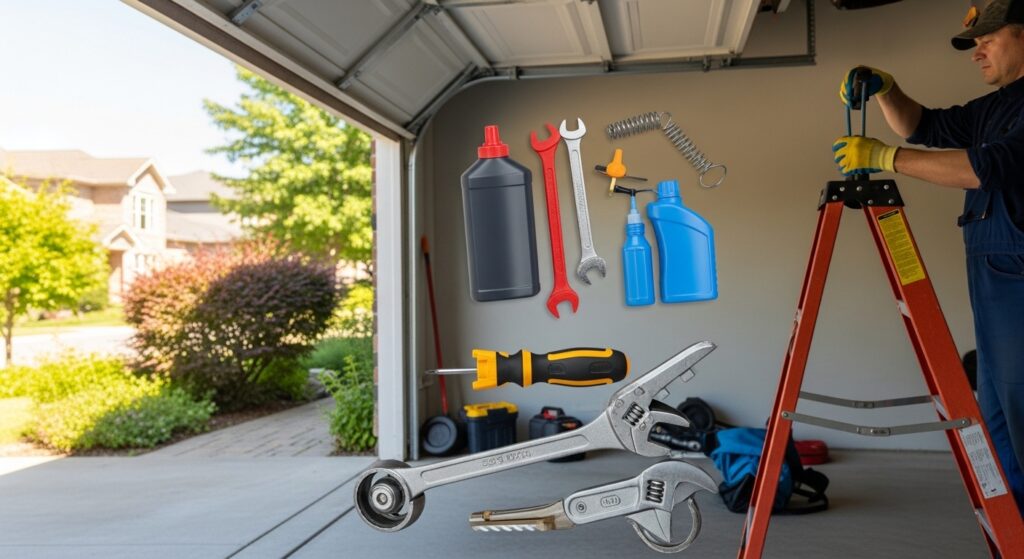
Why DIY Garage Door Maintenance Matters in 2026
Modern garage doors are complex mechanical systems with multiple moving components working under tension. Without routine attention, small issues such as misaligned garage door tracks, dry rollers, or worn cables can quickly escalate into major failures.
Consistent garage door preventive maintenance supports better smooth operation with reduced noise, enables early detection of wear and tear, improves mechanical failure prevention, and helps extend the lifespan of your opener and hardware.
In Lewisville, seasonal storms and humidity shifts can accelerate deterioration. That’s why combining DIY home maintenance with occasional professional garage door inspection service is considered best practice by industry experts.
Your 2026 Spring Garage Door Maintenance Checklist
A proper garage door tune up should follow a logical sequence. The goal is to inspect, clean, adjust, and test every critical component while maintaining safe manual garage door operation capability.
High-Impact DIY Steps
- Perform a full visual inspection and garage door balance test to identify worn garage door parts early
- Lubricate garage door moving components and tighten garage door hardware to ensure quiet, smooth operation
These two foundational steps address most common performance issues and form the backbone of any effective garage door care routine.
Step-by-Step Maintenance Tasks Homeowners Should Perform
Visual Inspection and Parts Check
Begin your garage door routine maintenance with a thorough visual inspection. Look closely at garage door panels, hinges, and mounting brackets for signs of fatigue or damage. This simple step often reveals early warning signs your garage door needs maintenance.
Pay special attention to torsion springs and extension springs. While homeowners should never adjust spring tension themselves, spotting rust or stretching during a garage door spring inspection helps you know when to schedule professional service.
During your garage door parts inspection, review cables for fraying, rollers for cracks, hinges for looseness, weather stripping for gaps, and the bottom seal for brittleness. This proactive review supports long-term garage door upkeep.
Garage Door Lubrication and Noise Reduction
One of the most effective garage door maintenance tips is proper lubrication of moving parts. Dry metal components create friction, leading to a noisy garage door, vibration, and premature wear.
Use a garage-door-specific lubricant to treat rollers, hinges, and bearings so you can reduce squeaking and improve opener efficiency. Avoid heavy grease on tracks and instead focus on moving pivot points to maintain optimal track alignment and motion.
Track Cleaning and Alignment Check
Next, perform careful garage door track cleaning. Dust, debris, and minor obstructions can cause garage door jerking, uneven movement, or slow response.
Wipe tracks with a clean cloth and inspect for dents. Proper alignment ensures the door does not drift into a garage door off track situation. If you notice significant bending, contact a garage door service near me professional rather than forcing adjustments.
Maintaining clean tracks is a key part of garage door system maintenance.
Balance Test and Safety Check
A proper garage door balance test is essential for safety and opener longevity. Disconnect the opener using the emergency release cord and lift the door halfway.
A balanced door should stay in place, move smoothly, and not feel excessively heavy. If the door drops or rises quickly, the spring tension may be off. This condition often leads to garage door opener not working complaints and should be handled by professionals.
Follow this with a full garage door safety check, including sensor alignment verification.
Opener and Sensor Maintenance
Modern systems rely heavily on electronics. Your garage door opener maintenance routine should include testing the garage door opener motor, checking opener force settings, and confirming proper response from the garage door remote and garage door keypad.
Clean the photo eye sensors and confirm the safety sensors stop the door when obstructed. Misaligned sensors are a common cause of doors that won’t close. Also test operation during simulated power outage garage door issues by briefly using manual mode.
DIY Maintenance vs Professional Service
While DIY garage door maintenance handles routine care, some situations require expert attention. Here’s a quick comparison for Lewisville homeowners.
| Task Type | DIY Suitable | Professional Recommended | Risk Level |
| Visual inspection | Yes | — | Low |
| Lubrication of moving parts | Yes | — | Low |
| Track cleaning | Yes | — | Low |
| Spring adjustment | — | Yes | High |
| Cable replacement | — | Yes | High |
| Full garage door inspection service | Optional | Yes | Medium |
| Emergency garage door repair Lewisville TX | — | Yes | Critical |
This balanced approach supports smart preventive home maintenance.
Common Problems DIY Maintenance Helps Prevent
Regular seasonal garage door maintenance dramatically reduces the likelihood of sudden failures. Many emergency calls in Lewisville stem from neglected routine care. Consistent upkeep helps prevent situations where the garage door won’t open or close properly, reduces persistent vibration and uneven movement, minimizes remote control malfunctions, slows premature opener wear, and keeps doors from becoming stuck or sluggish.
Safety Tips Every Homeowner Should Follow
Even confident DIYers must respect the power of garage door systems. Springs and cables operate under extreme tension, and improper handling can cause serious injury.
Follow essential garage door safety tips by never adjusting spring tension yourself, avoiding loosening cable drums, keeping hands clear of moving sections, testing safety reversal monthly, and scheduling periodic professional reviews. This balanced approach supports responsible homeowner maintenance guide practices.
Local Considerations for Lewisville, TX
Climate plays a major role in garage door performance. In Lewisville, humidity, wind, and temperature swings accelerate component fatigue. Local homeowners should emphasize residential garage door maintenance at least twice per year.
If you notice persistent issues despite routine care, scheduling garage door repair Lewisville TX service early prevents emergency breakdowns. Many local failures begin as minor alignment or lubrication issues that were ignored too long.
Combining DIY care with occasional garage door annual maintenance from a trusted provider delivers the best long-term reliability.
When DIY Isn’t Enough
While DIY garage door tune up guide practices handle most routine tasks, some warning signs demand professional help. Contact a technician if you notice loud spring noise, severely worn cables, or repeated opener strain.
Professional garage door maintenance service is especially important when dealing with structural adjustments or advanced diagnostics. Attempting complex repairs without training can worsen damage and void warranties. Smart homeowners treat DIY care as the first line of defense — not the only one.
Final Thoughts
Staying consistent with DIY garage door maintenance is one of the smartest investments homeowners in Lewisville, TX can make. A well-maintained system operates quietly, safely, and reliably through every season. By following a structured checklist, performing routine inspections, and addressing minor wear early, you dramatically reduce the chances of sudden breakdowns or costly emergency calls.
Remember, the goal isn’t just fixing problems — it’s preventing them. Combine smart garage door care tips, seasonal attention, and timely professional support when needed. With the right balance of DIY effort and expert oversight, your garage door will remain dependable, efficient, and ready for whatever 2026 brings.
FAQs
How to maintain a garage door yourself?
Start with a routine inspection, perform proper garage door lubrication, check door balance, clean tracks, and test safety sensors. Following a structured garage door maintenance routine twice per year keeps most systems running smoothly.
How often should garage door maintenance be done?
Most experts recommend garage door preventive care every six months, with a full garage door tune-up checklist annually. Homes in storm-prone areas like Lewisville may benefit from more frequent checks.
What lubricant is best for garage doors?
Use a silicone-based or lithium-based product specifically designed for garage systems. Proper lubrication of moving parts reduces noise and protects against premature wear.
What are signs your garage door needs maintenance?
Watch for slow movement, grinding sounds, vibration, uneven travel, or a garage door opener not working properly. These early warnings indicate it’s time for garage door preventive maintenance.
Can DIY maintenance prevent major repairs?
Yes. Consistent proactive home care catches small issues early, significantly reducing the risk of emergency failures and extending system lifespan.
