
If you’re asking yourself Is My Garage Door Opener Broken, you’re not alone. Many homeowners in Lewisville, TX notice sudden issues like unresponsive remotes, strange noises, or doors that refuse to move. Because the garage door opener system combines electrical components, mechanical parts, and safety features, even a small fault can disrupt the entire operation.
Understanding the warning signs early can save you from costly repairs and unexpected lockouts. In this guide, we’ll walk through the most common garage door opener problems, how to diagnose them, and when to call for garage door repair Lewisville TX.
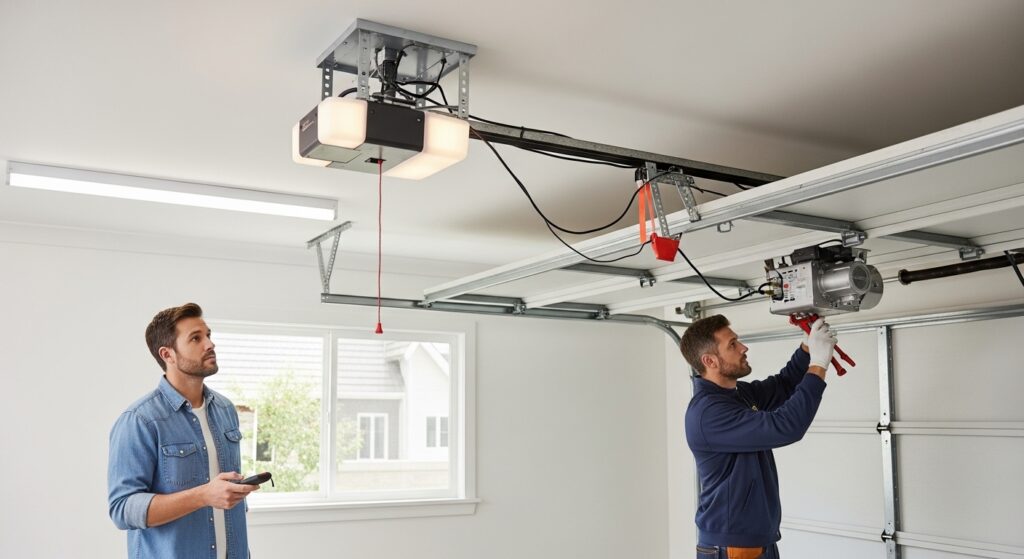
Common Signs Your Garage Door Opener Is Broken
A failing opener rarely stops without warning. Most units show clear symptoms before a complete garage door opener malfunction occurs.
One of the biggest red flags is when the garage door opener not working situation appears suddenly despite having power. If your remote transmitter activates the motor but the door doesn’t move, the issue may lie in the drive mechanism or opener gear assembly.
Another frequent complaint is a garage door opener stopped working after years of smooth operation. This often relates to worn internal parts, incorrect travel limits, or problems with the opener circuit board.
Watch closely for these major warning patterns:
The opener runs but the door doesn’t move or only moves partially
The system makes grinding, humming, or clicking sounds during operation
When you notice these symptoms, prompt garage door opener troubleshooting can prevent further damage.
What Causes Garage Door Opener Problems?
When homeowners search why is my garage door opener not responding, the answer usually falls into one of three categories: electrical faults, mechanical failures, or sensor issues.
Electrical problems often involve the power supply to opener, damaged wiring, or a failing opener motor unit. Mechanical causes may include poor garage door balance, worn gears, or misaligned tracks. Safety-related faults typically involve dirty or misaligned photo eye sensors that interrupt normal operation.
In Lewisville homes, temperature swings and humidity can accelerate wear on both electronic and mechanical components. That’s why routine garage door maintenance service plays a major role in preventing unexpected breakdowns.
Garage Door Opener Troubleshooting Steps
Before scheduling emergency garage door repair, you can safely perform a few basic checks. These steps help determine whether you need a simple adjustment or a full garage door opener replacement.
Check the Remote and Wall Controls
If your garage door opener remote not working issue appears first, start with the basics. Replace the remote battery and confirm the wall control panel still operates the door. If the wall switch works but the remote does not, the opener signal programming may need resetting.
When both controls fail, the problem likely involves the opener itself.
Inspect Safety Sensors
Misaligned safety sensors are one of the most overlooked causes of a garage door opener won’t close complaint. These photo eye sensors sit near the floor on each side of the door.
Make sure they are:
- Clean and free of debris
- Properly aligned with solid indicator lights
If the opener light flashing or garage door opener blinking occurs repeatedly, sensor misalignment is very likely.
Listen for Motor Behavior
When the garage door opener motor runs but door won’t move, the internal opener gear assembly may be stripped. A persistent garage door opener humming noise usually indicates the motor is receiving power but cannot engage the door.
This is a common scenario with aging belt drive opener problems and chain drive opener issues.
When the Problem Is NOT the Opener
Sometimes homeowners assume Is My Garage Door Opener Broken, but the real issue lies elsewhere in the door system.
A door that opens halfway then stops often points to poor door track alignment or failing springs. The opener includes built-in force settings designed to stop movement if resistance is detected. If the torsion spring condition is poor, the opener may appear faulty even though it’s working correctly.
Similarly, a failing garage door balance can overload the opener motor and trigger intermittent shutdowns.
Repair vs. Replace: What’s the Right Move?
Deciding whether to fix garage door opener components or invest in a new unit depends on age, cost, and reliability.
| Situation | Recommended Action | Why It Matters |
| Minor sensor or remote issue | Repair | Low cost and quick fix |
| Worn gears or circuit board failure | Usually repair | Parts are replaceable |
| Opener older than 12–15 years | Replace | Near end of garage door opener lifespan |
| Frequent intermittent failures | Replace | Indicates system wear |
| No safety reversal system | Replace immediately | Critical safety risk |
Homeowners comparing garage door opener repair cost versus replacement should also consider modern features like garage door opener battery backup and smart connectivity.
Brand-Specific Issues to Know
Different manufacturers show different failure patterns. For example, Chamberlain garage door opener problems often involve worn gears in older units. LiftMaster opener troubleshooting frequently points to sensor alignment or logic board faults.
With Genie garage door opener issues, users commonly report intermittent remote response, while Craftsman garage door opener not working complaints often relate to aging electronics.
Regardless of brand, consistent garage door opener diagnostics is the best way to identify the true cause.
Smart Opener and WiFi Problems
Modern systems introduce new failure points. If your WiFi garage door opener not connecting, the opener itself may be fine. Network drops, router changes, or outdated firmware can mimic smart garage door opener problems.
However, if connectivity issues occur alongside mechanical symptoms, a full garage door system check is recommended.
When to Call a Professional in Lewisville, TX
DIY checks help, but some situations require expert help. If your opener shows electrical burning smells, repeated failures, or safety concerns, it’s time to schedule garage door service Lewisville TX. Professional technicians can perform a full garage door hardware inspection, complete garage door safety test, and provide an accurate garage door system failure diagnosis. Local homeowners searching garage door opener repair near me should prioritize licensed providers with proven experience in overhead door opener repair to ensure safe and reliable results.
Preventive Maintenance Tips
Routine care dramatically reduces unexpected breakdowns. Following proven garage door opener maintenance tips can extend equipment life and improve reliability.
Keep the opener clean, test the safety reversal monthly, and schedule periodic professional garage door inspection. Preventive care is far cheaper than emergency replacement.
What to Do Next If Your Opener Stops Working
If your system suddenly fails, stay calm and work through a structured garage door opener troubleshooting process. Confirm power, check sensors, and test controls before assuming the worst.
When the opener continues to fail or works intermittently, scheduling residential garage door service in Lewisville ensures the problem is correctly diagnosed the first time.
Final Thoughts
If you’re still wondering Is My Garage Door Opener Broken, the key is early diagnosis and informed action. Many issues start small — a misaligned sensor, worn gear, or weak power supply — but can escalate into full system failure if ignored.
For homeowners in Lewisville, TX, combining smart troubleshooting with timely professional service ensures your garage door remains safe, reliable, and convenient for years to come.
FAQs
How do I know if my garage door opener is broken?
If the motor runs but the door doesn’t move, the remote and wall switch both fail, or the unit makes grinding or humming noises, your opener likely has internal damage. A professional inspection can confirm whether repair or replacement is needed.
Why does my garage door opener run but not open?
This usually indicates a stripped opener gear assembly, poor garage door balance, or a disconnected drive mechanism. The motor has power but cannot lift the door.
Should I repair or replace my garage door opener?
Repair is best for sensor issues, minor electrical faults, or remote problems. Replacement is recommended when the opener is over 12–15 years old, lacks modern safety features, or experiences repeated failures.
What is the average life of a garage door opener?
Most units last 10–15 years with proper garage door maintenance service. Heavy use, poor maintenance, and environmental factors can shorten that lifespan.
When should I call emergency garage door repair?
Call immediately if the door won’t close securely, the opener shows burning smells, the door reverses unpredictably, or safety sensors fail. These situations pose security and safety risks.
